

Carbonation Effect on Concrete ?
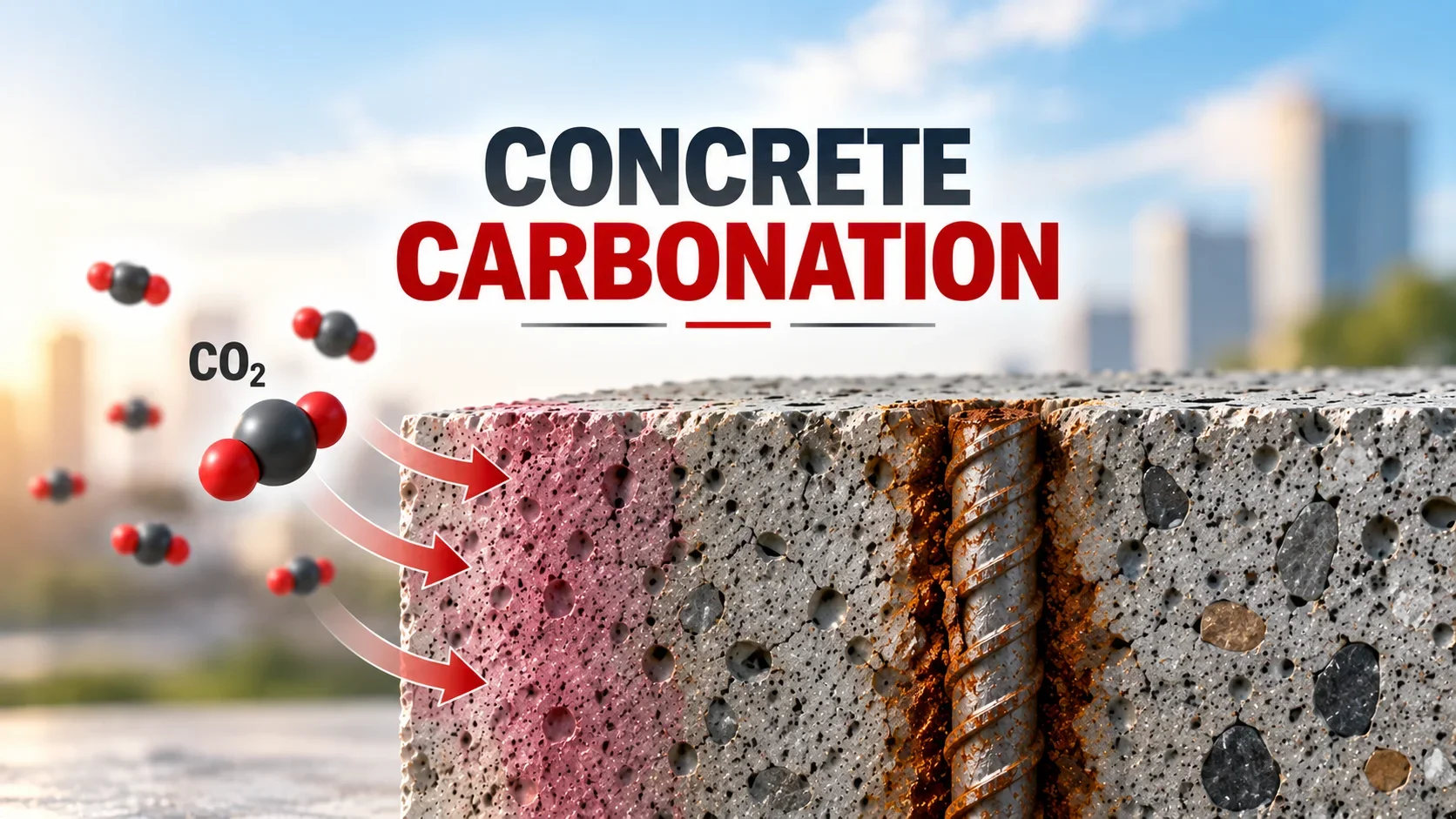
Concrete Carbonation: Why It Matters for Reinforced Concrete
Concrete is naturally alkaline, and this high-alkalinity environment helps protect embedded reinforcing steel by maintaining a passive layer on the steel surface. Over time, carbon dioxide (CO₂) from the surrounding environment can penetrate the concrete and react with cement hydration products. This process, known as carbonation, gradually reduces the alkalinity of the carbonated zone.
Permeability and Sorptivity
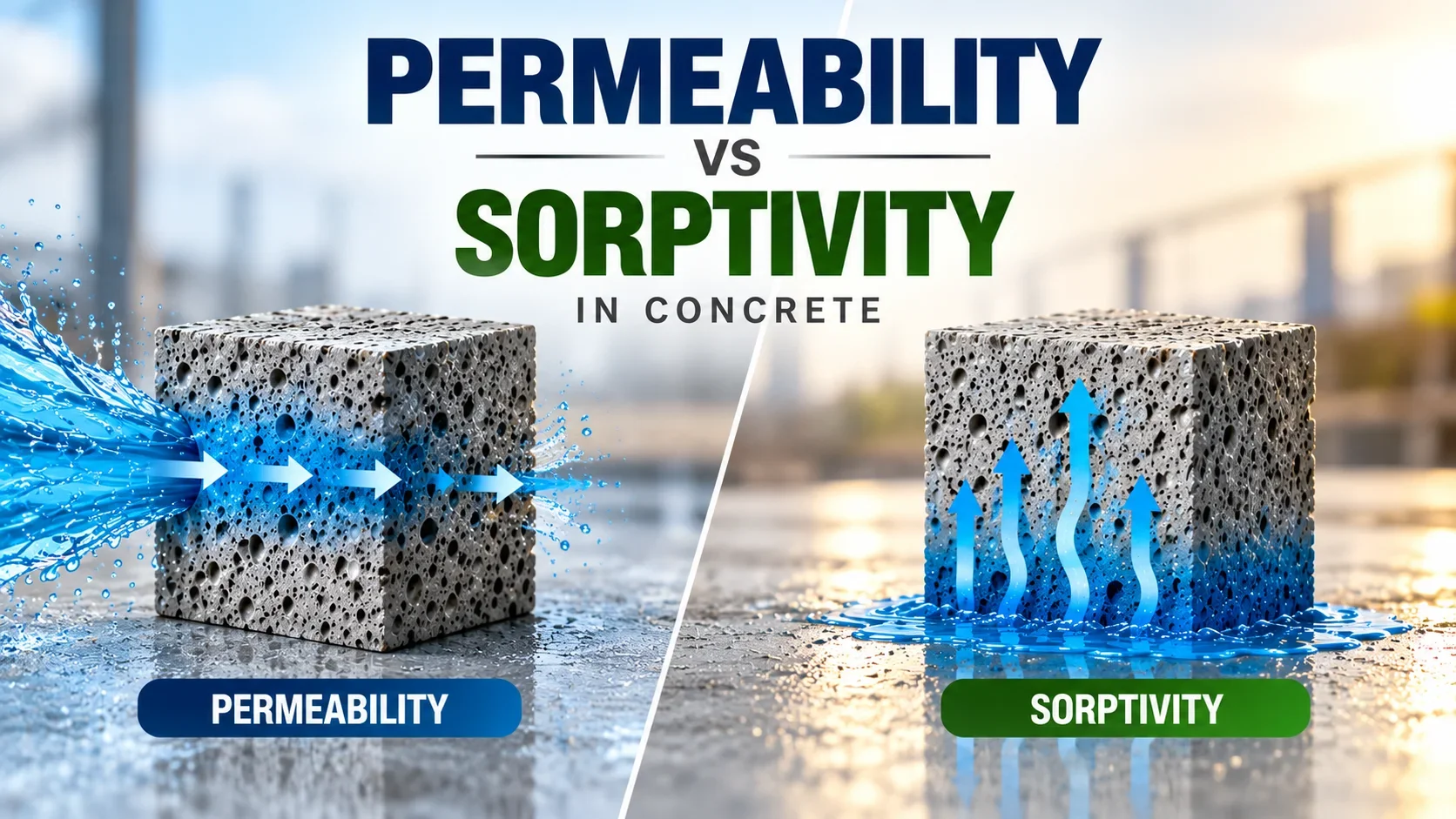
Concrete Permeability and Sorptivity: Why Water Transport Matters
Concrete is a porous material that continuously interacts with its surrounding environment. Its durability is strongly influenced by how water, moisture and gases enter and move through the cementitious matrix. Understanding these transport mechanisms is therefore important when evaluating concrete performance, particularly in structures exposed to moisture, chemicals and other aggressive environmental conditions.
Redawn Hard Colloidal Silica is VOC Compliant ?
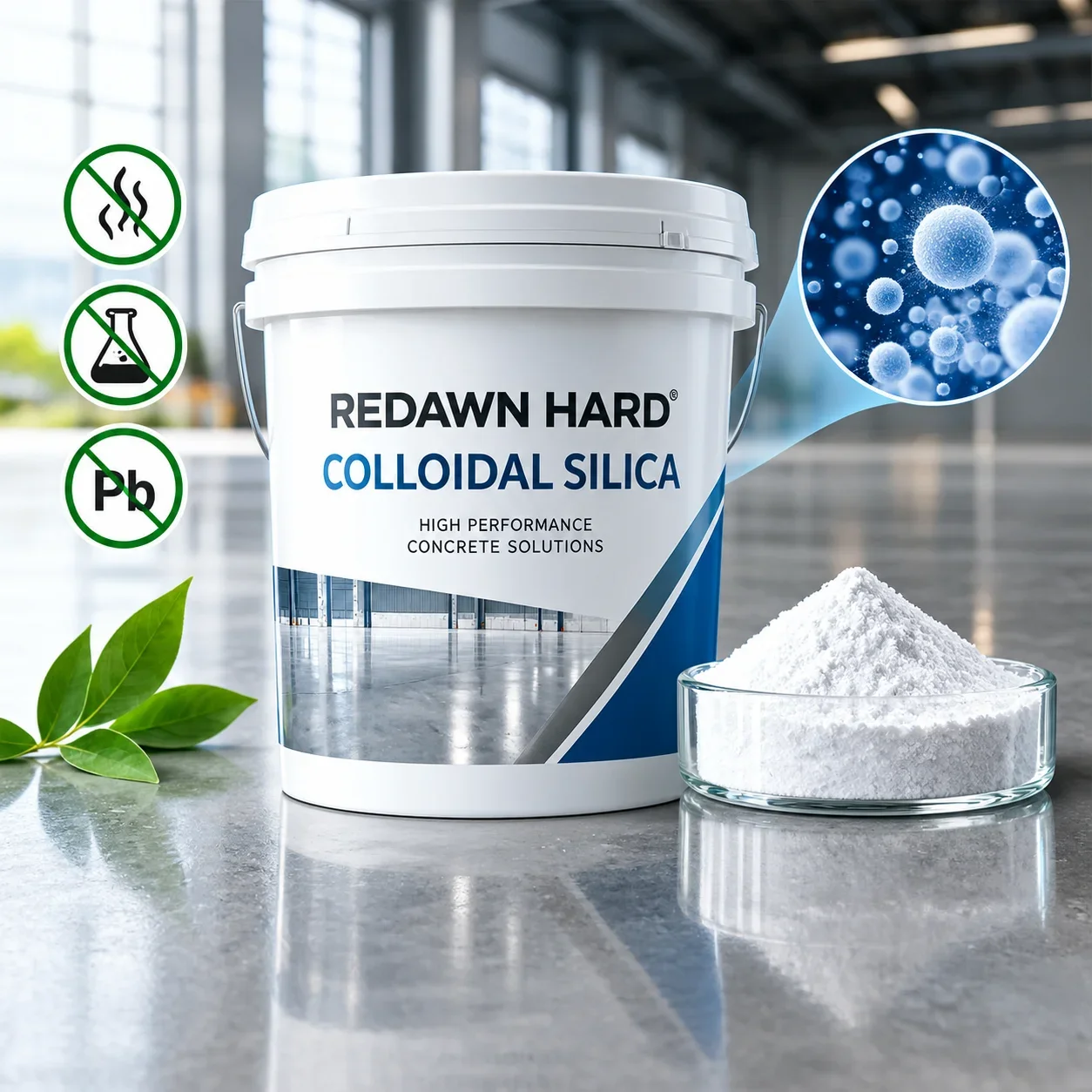
Volatile organic compounds (VOCs) are organic chemicals that can readily evaporate into the surrounding air. Their volatility is associated with vapor pressure and boiling point, and VOC emissions can be relevant when evaluating paints, coatings, adhesives, sealants and other construction products used indoors.
For concrete flooring, VOC considerations are particularly important when a product is used in enclosed areas such as warehouses, factories, commercial buildings, offices, hospitals and other occupied spaces. Product formulation, application method, curing conditions and ventilation can all influence emissions.
Liquid Colloidal Silica Works better than Dry Shake Hardner ?
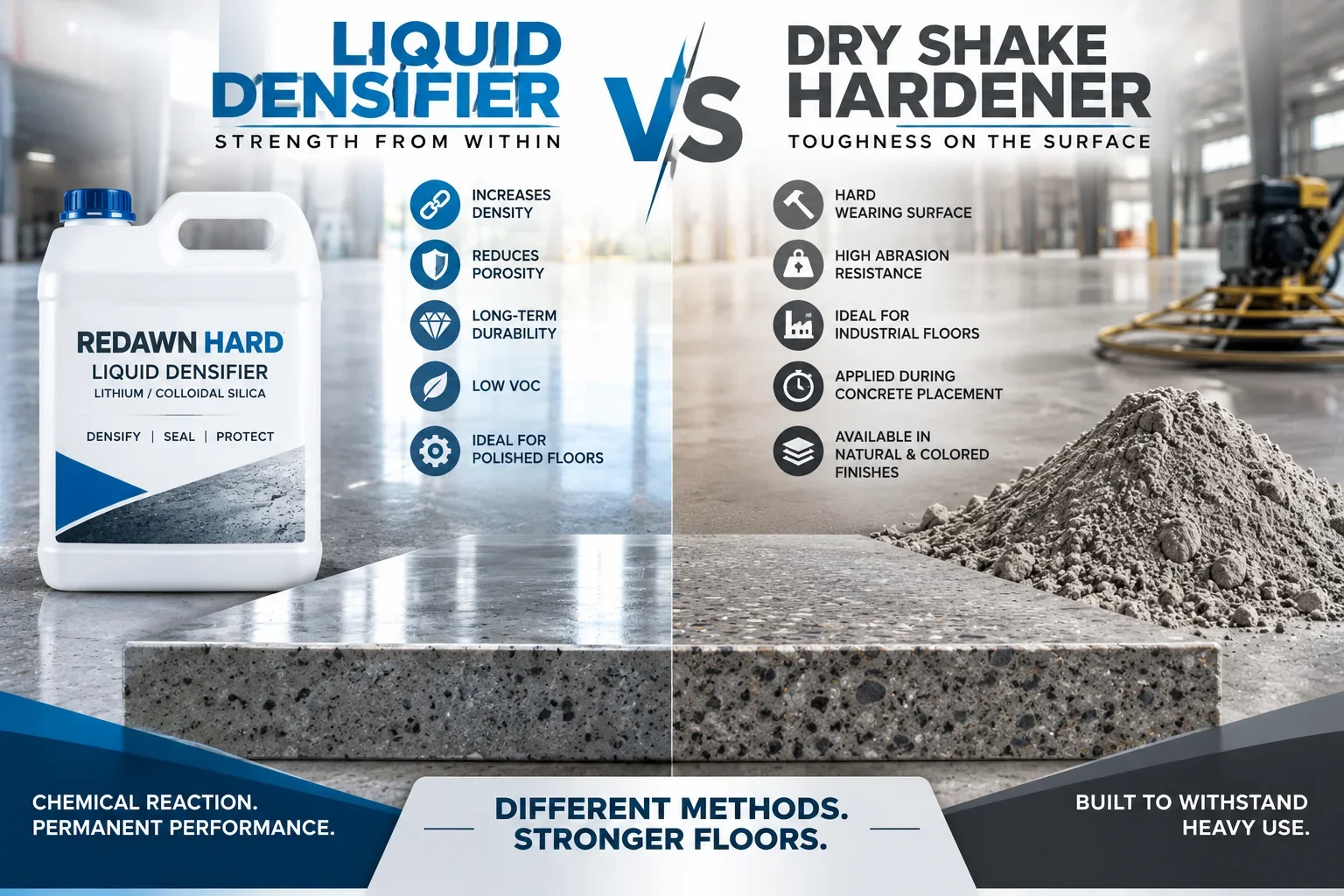
Concrete flooring can be strengthened and protected through different technologies. Two commonly specified approaches are liquid chemical densifiers and dry-shake surface hardeners. Although both can improve the performance of concrete, they work at different stages and through different mechanisms.
Redawn Hard Colloidal Silica is a liquid concrete treatment intended to react within the near-surface pore structure and reduce the amount of weak, porous material available at the surface.